
| 1 | Australian death statistics |
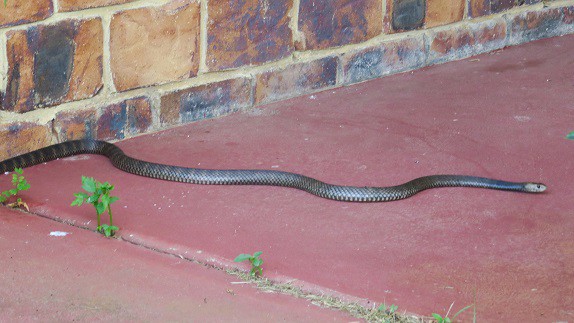
In January 2017, new studies flowed out of the biological death trap that is Australia. They revealed a shocking fact which few could have expected: that snakes killed far fewer people than horses. In fact, horses killed more Australians in the average year than all venomous creatures in the country combined.
From 2000 to 2013, horses caused 74 deaths, followed by bees and stinging insects at 27. Snakes could only muster up 27 deaths, and landed less people in hospital than the other groups. The hospital visit data was taken from 2001 to 2013, and snakes caused 6123 visits over that period, versus 12351 for stinging insects, and 3707 for box jellyfish (which caused 3 deaths).
Previous statistics revealed that the brown snake genus caused the majority of deaths in Australia, accounting for 41% of deaths from 2005 to 2015, with tiger snakes ranking second (17%) and red-bellied black snakes ranking third (16%). All of those species possess neurotoxins which disable breathing and muscle control, but brown snakes have especially potent haemotoxins which can ultimately cause kidney failure.
Spiders were responsible for no deaths in the first study, despite the presence of the Sydney funnel web spider, which can cause death in as little as 15 minutes.
| 2 | Snake found in Aldi pineapple |
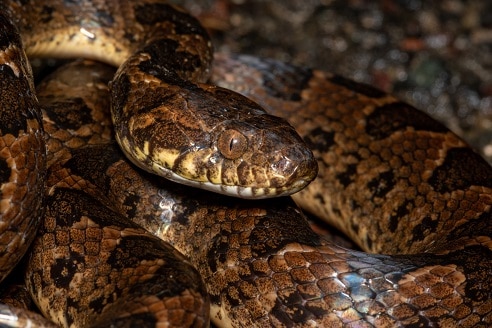
Aldi is the UK’s favourite discount supermarket alongside Lidl, with a range of cheap yet surprisingly amazing chocolates. In some cases, they generously give you even more than you paid for, as was the case with a man from Edinburgh, who bought a pineapple from Aldi, only to find a cat-eyed snake coiled peacefully on top.
The pineapple was imported from Costa Rica, and the man only noticed the grey-black snake once he returned home. The snake was donated to Butterfly World in Edinburgh, which nicknamed him Ricky. “We’re glad we were called out as without proper care Ricky wouldn’t survive our climate“, they said.
Aldi insisted that all their pineapples were transported in cold storage, to prevent such snake passengers from surviving. The snake’s exact species wasn’t listed, but media outlets described it as a cat snake or “frog spawn snake”. Upon closer inspection, it appears to be a member of the Leptodeira cat-eyed snake genus. Our opinion: this was an ornate cat-eyed snake, AKA Leptodeira ornata (see pics here).
This customer was lucky not to have encountered a more venomous visitor. Pineapple plantations are favoured by several snake species, especially the venomous eyelash viper, whose venom can cause necrosis and rotting flesh. Eyelash vipers are common in Central America, and especially love to rest in the spiraling leaves of bowled bromeliad plants, a family which pineapples belong to.
| 3 | Sea snake subspecies discovered |
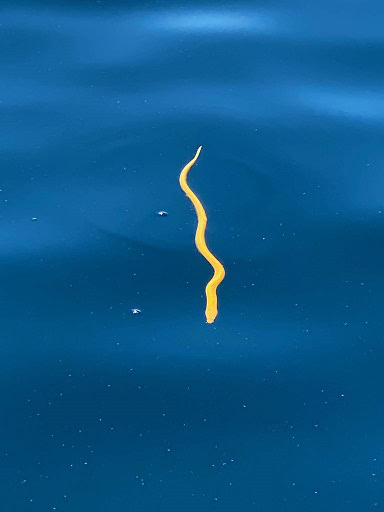
The yellow-bellied sea snake is the only snake species to live in the deep oceans, not requiring shorelines, often appearing hundreds of miles from the nearest landmass. It floats aimlessly on ocean currents, and can be distributed to regions as far apart as Panama’s west coast and Sydney. Originally, this species was thought to be one genetic monolith with little variation, but in 2017, a new subspecies was announced: the yellow sea snake (Hydrophis platurus xanthos).
This version was found in a small, 320 square kilometre area off the west coast of Costa Rica, and was separated from the main subspecies by just 22km. There was a clear visual difference, as the new form was fully yellow, versus the original with its yellow belly but mainly black body.
The yellow sea snake was found in warm, especially turbulent waters, with low levels of dissolved oxygen in the water. The scientists discovered that the new subspecies hunted at night, whereas the more common subspecies hunted during daylight. The new Costa Rican form hunted by floating on the sea surface, coiled in a manner to produce enough stability to grab its fish prey in especially rough waters.
The scientists remained cautious, but believed that H. platurus xanthos could be elevated to an independent species one day. So far, the yellow sea snake is known only from the Gulfo Dulce in Costa Rica, which has a narrow entrance but widens inside, trapping the snakes within, and allowing them to diverge over time.
| 4 | Rattlesnakes take over house |

Despite their deadly venom, rattlesnakes have a secret tendency to be highly social, which is both heartwarming and terrifying in equal measure. Prairie rattlesnakes can gather in caverns in their hundreds, making them one of the most communal snakes on Earth, while Arizona black rattlesnakes dwell in complex mountaintop communities.
In 2017, a Texas family was astonished to discover a rattlesnake inside their toilet bowl, minding its own business. They immediately called Big Country Snake Removal, who searched all over the property, and rapidly discovered an additional 23 rattlesnakes.
13 adult rattlesnakes were found in a storm cellar, which the catcher searched based on “intuition”. Further searches revealed 10 more rattlesnakes under the house, including 5 newborns. The family had no idea they were living in a snake house until this discovery.
As you’d expect, the rattlesnake entered the toilet via the plumbing. The colony’s cryptic camouflage had enabled them to go undetected.
Other infamous snake houses have included a property in Rexburg, Idaho, which turned out to have dozens of common garter snakes living below it. These were harmless, but the new owners were stepping over them, and scooping them up almost 24/7, only for them to slither back in. They fled the house dubbed “Satan’s lair”, and the bank was forced to drop the price to $109,000.
| 5 | Sudden spate of copperhead bites |
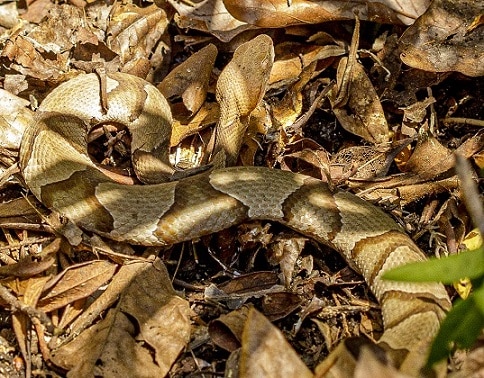
Alabama is full of dangerous snakes, from timber rattlesnakes to cottonmouths, but generally, everyone lives in harmony: humans stay in their houses, while snakes stay in the dark woods. In August 2017, snakes and humans seemed closer to open warfare than ever when four kids were bitten by copperheads in just eight days.
The first victim was a 7 year old boy who was bitten on the toe in a suburb in Birmingham. Two 12 year old girls were bitten, and the final victim was 8 year old Anna Claire Pledger. She was walking through a small wooded area when she felt something spiky brush against her leg.
Rather than the bush she expected, it was a glaring venomous snake. Her first instinct was to protect her 5 year old brother and 6 year old sister, yelling “run to Daddy” several times. Then she ran away herself, but went the wrong way initially. Turning around, she attempted to leapfrog the copperhead, but suffered another bite, this time deeply enough to draw blood.
The girl ultimately received 21 vials of antivenom, and like all 4 victims in this copperhead wave, she lived to tell the tale. Local experts believed that despite the serpent assaults, copperhead numbers were no higher than normal in August 2017.
| 6 | Burmese python saga ’17 |
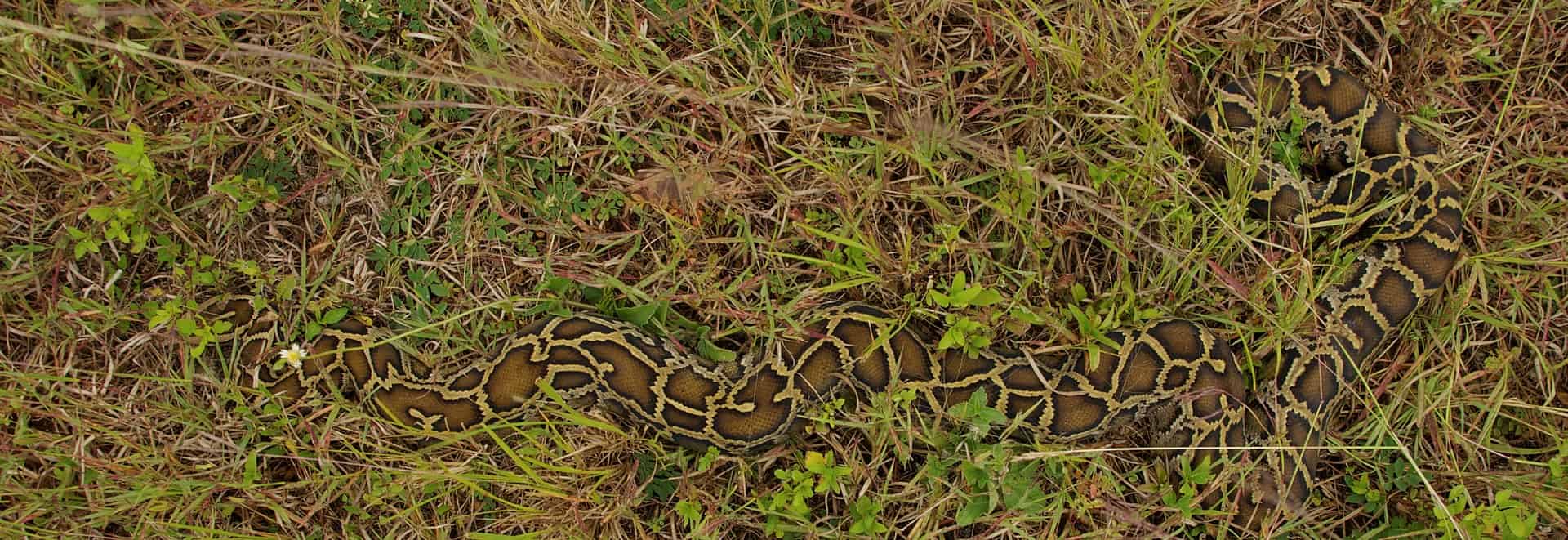
Another year dawned, and another several thousand Burmese python eggs probably hatched in the Florida Everglades, against just a few hundred adults caught. Cooking them in pizza didn’t reduce their numbers sufficiently, so the new plan by state officials was to recruit Irula tribesmen from southern India, to aid the eradication efforts.
Members of the Irula tribe are renowned for their ability to capture snakes. In India, these are usually venomous terrors, but in Florida, it’s invasive pythons which are gobbling up native marsh rabbits and opossums.
The two tribesmen arrived in Florida, and were placed in a comfortable private house. They were set to spend 2 months stomping around the muddy Everglades in cooperation with university teams and sniffer dogs, searching for pythons in heavily camouflaged vegetation beds.
The new recruits had one early success, as in Crocodile Lake National Wildlife Refuge, two dogs picked up a python scent and barked in alarm, but failed to pinpoint its exact location. The wise tribesmen arrived, and descended into a 10 foot deep shaft in the ground. There they discovered a 16 foot female Burmese python accompanied by two males, before finding another male close by.
| 7 | Brown snake venom gains potency |
In 2017, scientists examined Australian brown snakes and found that their venom was becoming more potent. Fortunately, this wasn’t for the species in general, but a gradual intensification that occurred in all species members from birth to adulthood.
Snakes in the Pseudonaja brown snake genus (9 members) prey mainly on lizards as juveniles, before adding mammals as adults. The scientists found strong shifts in the toxin profiles with age, in order to target different prey. The juvenile venom contained additional neurotoxins, which were powerful enough to make unsuspecting lizards go limp and stop breathing. Adults had a different speciality: haemotoxins which destroyed blood clotting factors so rapidly that none ultimately remained.
This caused an instant stroke in small mammals like mice, while in humans, it would be diluted, but still enough to cause internal bleeding. Scientists speculated that one day, they could tailor antivenoms to certain ages of brown snakes, producing one for younglings and another for adults, rather than a single monolithic vial.
Newborn brown snakes almost entirely lacked haemotoxins, while adults kept the neurotoxins, but in lower levels. Juvenile brown snakes have killed Australian citizens just as adults have, despite the venom yield being significantly reduced.
| 8 | Fungal disease threatens snakes |
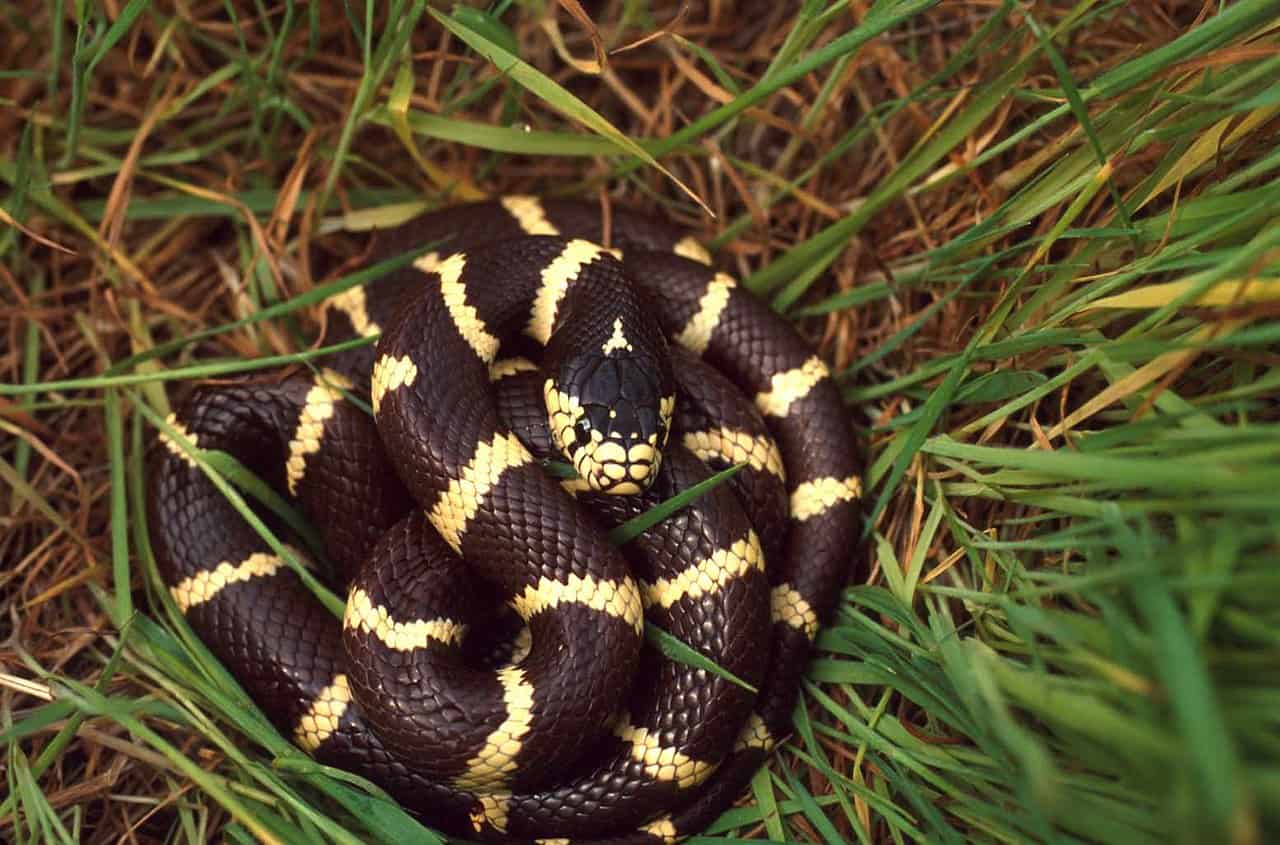
2017 saw the grim news that a disease was spreading among wild US snakes which was commonly fatal to them. Worse, all snake species were equally vulnerable.
The virus was simply titled “snake fungal disease”, and was caused by a fungus called Ophidiomyces ophidiodiicola, which was little researched before this discovery, though known to exist since 1945. The fungus was fueled by decaying matter in the environment, and the disease had already been found in the wild in 30 species of US snake from six groups, plus some in Europe, including the UK.
Affected groups included ratsnakes, garter snakes, milk snakes and vipers. The main symptom was rotting lesions spreading across the snakes’ skins. Some cured themselves by shedding, but in other individuals it was too late.
The strangest symptom was a change in their behaviour. Infected snakes spent more time basking in the sun, putting them at higher risk of predation or starvation, making them less efficient survival machines.
The skin lesions were described as like blisters, and the infections proceeded rapidly following their first appearance. Captive snakes in Britain had experienced infections in the 1980s, but only in 2017 did the disease become a threat in the wild. Scientists believed that the O. ophidiodiicola fungus could spread all over the world.
| 9 | Reticulated python duel (Indonesia) |
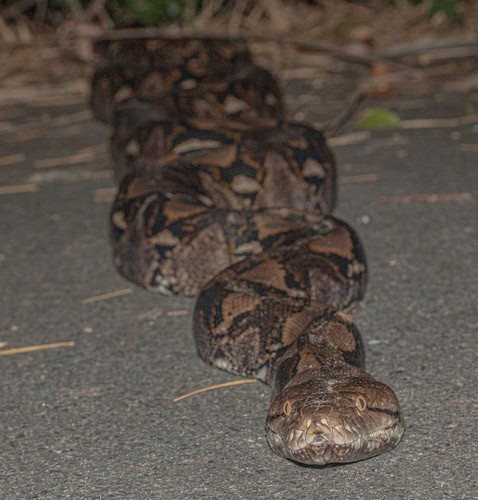
Meanwhile, 2017 offered evidence that mankind and snakes can’t be neighbours, no matter how hard we try. The setting was a road leading to a palm oil plantation in Indonesia, in the Batang Gansal district of Sumatra.
The characters were security guard Robert Nababan and a large reticulated python, the longest snake species on Earth. Supposedly, the python was draped across the road, blocking access to the local villagers. Nababan attempted to move the snake, but this simple procedure devolved into an all out man-reptile brawl. The python sunk its fangs into the guard’s left arm so hard that it was nearly severed. Nababan fought back with a wrestling hold, before other villagers arrived and helped the security guard to defeat the python.
Its eventual fate was to become dinner – the python was hung up for display at the village, then chopped up, fried and eaten. The guard was taken to hospital in Pekanbaru City. The python was believed to have been lured to the palm oil plantation by the mice running around there.
Local reports stated that the reticulated python measured 7.8 metres long, which would have provided a bountiful supply of meat. This might have been an exaggeration, as the longest confirmed wild individual so far measured just 6.95 metres. But you never know – it could have been true. The snake now lives in the local villagers’ stomachs, so it’s impossible to test its real length.
| 10 | Boa constrictor rejects captivity |
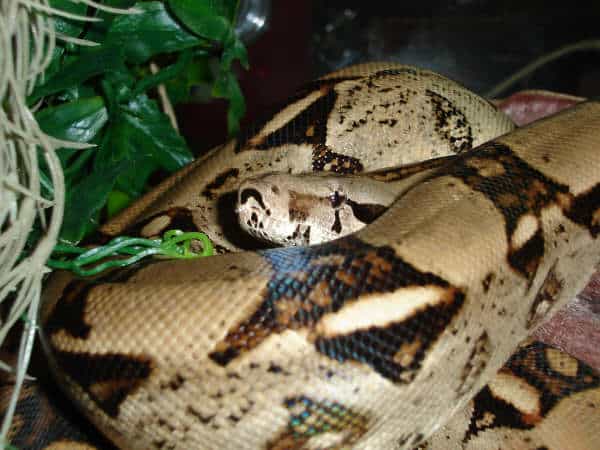
In July 2017, a woman in the US state of Ohio owned 11 pet snakes, until she became the victim of a surprisingly rare occurrence: a pet boa constrictor attacking its owner. The first indication came with her screams down the line after phoning 911. “Ma’am, you have a what?” came the operator’s stunned response. “You’re outside with a boa constrictor stuck to your face?”.
The woman screamed that there was blood everywhere. “I’ve never heard of this before,” said the dispatcher. He urged her not to move, and soon dispatched emergency workers. Luckily, the boa constrictor was far from the record length of 4+ metres, at just 1.6 metres (still a thick brute though).
The snake had wrapped itself around her face and bitten her nose, refusing to let go according to local fire chief Tim Card. Ultimately, the snake could not be saved. Firefighters were forced to cut the boa’s head off with a knife to free the woman’s face.
The woman was brought to hospital and survived, but the snake’s remains were simply dropped in a bin. In eerie scenes, local reporters arrived at the house to find nothing but an empty cage and a pool of blood on the driveway.